The Complete Guide to Hot Water Cylinder Installation
Installing a hot water cylinder is essential for ensuring a reliable supply of hot water in your home. Whether you're replacing an old unit or installing one for the first time, understanding the process and considerations involved can help you achieve a successful installation. This article provides a comprehensive overview of hot water cylinder installation, including the different types, preparation steps, installation process, and maintenance tips.
Understanding Hot Water Cylinders
Hot water cylinders, also known as water heaters, store and heat water for domestic use. They come in various types, including vented and unvented systems. Vented cylinders rely on gravity and a cold water tank, while unvented cylinders operate directly from the mains supply, providing higher pressure. Choosing the right type depends on your household’s hot water needs and the existing plumbing system.
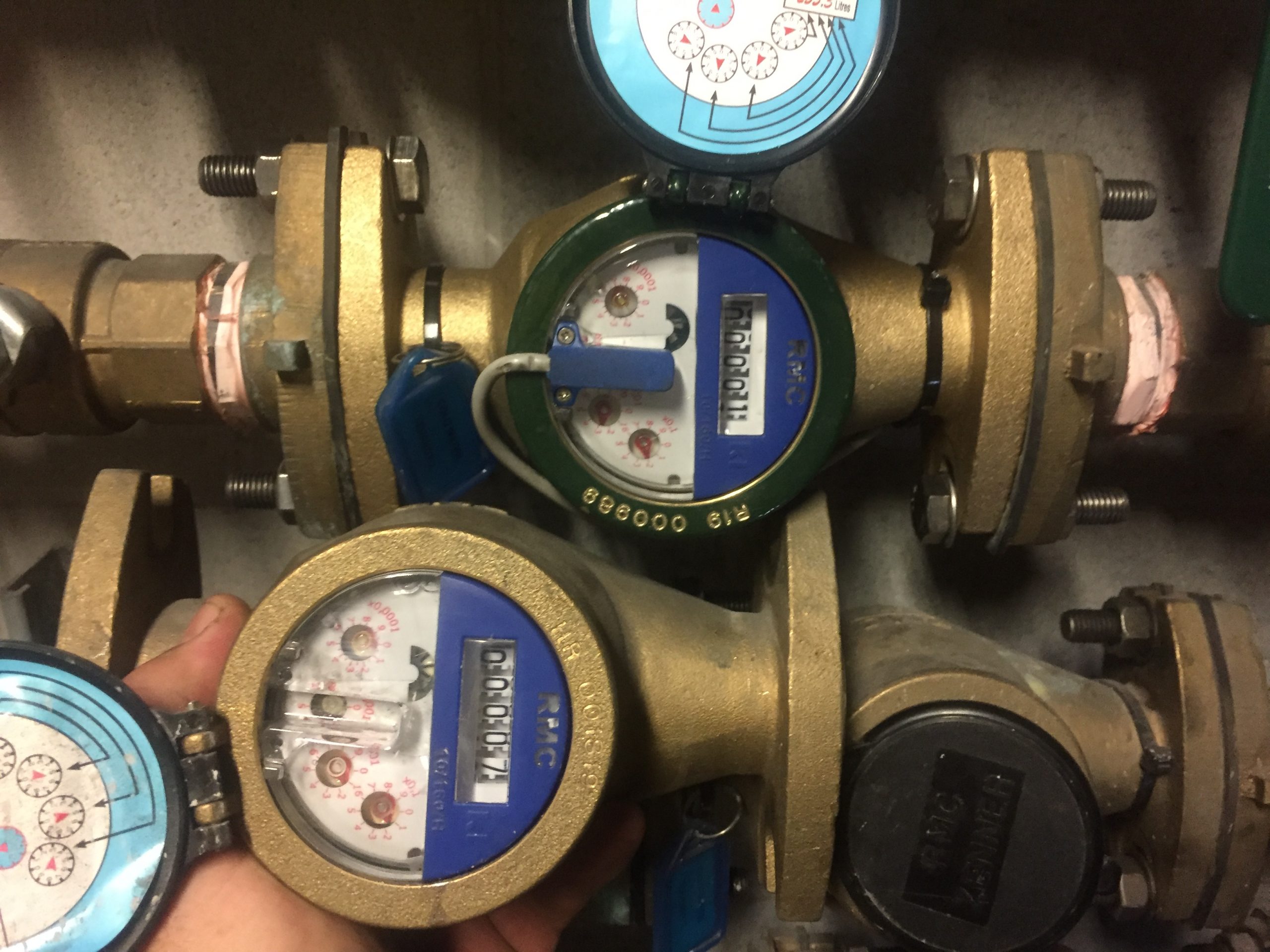
Preparing for Installation
Before installation, it’s crucial to prepare adequately. Start by assessing your current hot water system and determining the size and type of cylinder you need. Consider the following factors:
Hot Water Demand: Evaluate how much hot water your household consumes daily to choose an appropriately sized cylinder.
Space Availability: Ensure you have enough space for the cylinder, including room for maintenance and installation.
Local Regulations: Check local building codes and regulations, as they may dictate specific requirements for installation.
The Installation Process
Step 1: Turn Off Water and Power Supply
Before starting, turn off the water supply and disconnect the electrical or gas supply to the existing hot water cylinder if applicable.
Step 2: Remove the Old Cylinder (if applicable)
Carefully drain the old cylinder and disconnect it from the plumbing and electrical systems. Ensure that you follow safety precautions during this process.
Step 3: Position the New Cylinder
Position the new hot water cylinder in the designated area. Ensure it is level and stable, and follow the manufacturer’s guidelines for clearance and positioning.
Step 4: Connect the Plumbing
Connect the inlet and outlet pipes according to your plumbing layout. Ensure that all fittings are secure to prevent leaks. If you're installing an unvented cylinder, ensure a safety valve and expansion vessel are included in the setup.
Click here for more information:-

Comments
Post a Comment